It’s PTSI.
Post-traumatic stress is an injury to the brain and nervous system. Its name should say so.
One letter separates a label that shames from a word that heals. Dr. Eugene Lipov is leading the campaign to change “disorder” to “injury,” in medicine, in law, and in the way we speak to each other.
One letter changes the story
People hear a diagnosis before they hear a treatment plan. “Disorder” tells them the problem is their character. “Injury” tells them the problem is something that happened, and that it can be treated.
Post-traumatic stress Disorder
- What it tells you
- Something is wrong with who you are.
- Where it leads
- Shame, silence, and waiting too long to ask for help.
Post-traumatic stress Injury
- What it tells you
- Something happened to you, and it left a mark.
- Where it leads
- Treatment, recovery, and the expectation of healing.
An injury you can measure
All psychology is biology. Trauma changes how the brain and body work, and those changes show up on scans and in the lab. Each point below links to the paper behind it.
The alarm stays on
The fear center of the brain, the amygdala, keeps firing after the danger has gone. Brain scans taken at the Long Beach VA showed that over-activity, and showed it settling after treatment.
Long Beach VA scans, 2015The body follows the alarm
The sympathetic nervous system, the fight-or-flight wiring that runs through the neck, stays switched on. Racing heart, broken sleep and a hair-trigger startle are the result.
A model of SGB and PTSI, 2009The change reaches the genes
Trauma leaves marks on how genes are read. A 2017 study reported changes of that kind moving back toward normal after treatment.
DNA changes after SGB, 2017Any trauma can do it
Combat is one cause. Assault, accidents, abuse, loss and medical trauma are others. A 2022 study treated people after 22 different kinds of trauma.
22 types of trauma, 2022
If it is an injury, it can be treated like one. Dr. Lipov’s dual sympathetic reset (DSR) is a procedure aimed at the stuck stress system itself.
From disorder to injury
Forty years of naming, and the people who asked for a better word.
1980
PTSD gets its name
The American Psychiatric Association adds post-traumatic stress disorder to its diagnostic manual, the DSM-III. Psychiatrist Frank Ochberg helps shape the definition.
2006
An injury that can be treated
Dr. Lipov first uses the stellate ganglion block (SGB) for post-traumatic stress. He publishes the first case report in 2008.
2012
The Army asks for a new word
General Peter Chiarelli, then Vice Chief of Staff of the U.S. Army, calls for “injury” in place of “disorder.” Dr. Ochberg writes to the APA in support.
2023
Patients say the name matters
A survey published in Cureus asks people with trauma what the word does. Most say “injury” would cut stigma and make them more likely to seek care.
2023
Illinois uses the word “injury”
Dr. Lipov leads the campaign in his home state. Nationwide, advocates count 47 of 50 states that have named post-traumatic stress an injury by law or proclamation.
Now
The manual is next
The campaign asks the APA to rename the condition in the DSM. Every letter, pin and shared page adds weight.
Four ways to help today
Names change when enough people ask. Each of these takes under ten minutes.
Write to the APA
One short letter, in your own words, asking the American Psychiatric Association to rename the condition.
Open the letter campaignAsk your state
Ask your state legislators for a resolution or bill that names post-traumatic stress an injury.
Find your legislatorsWear the pin
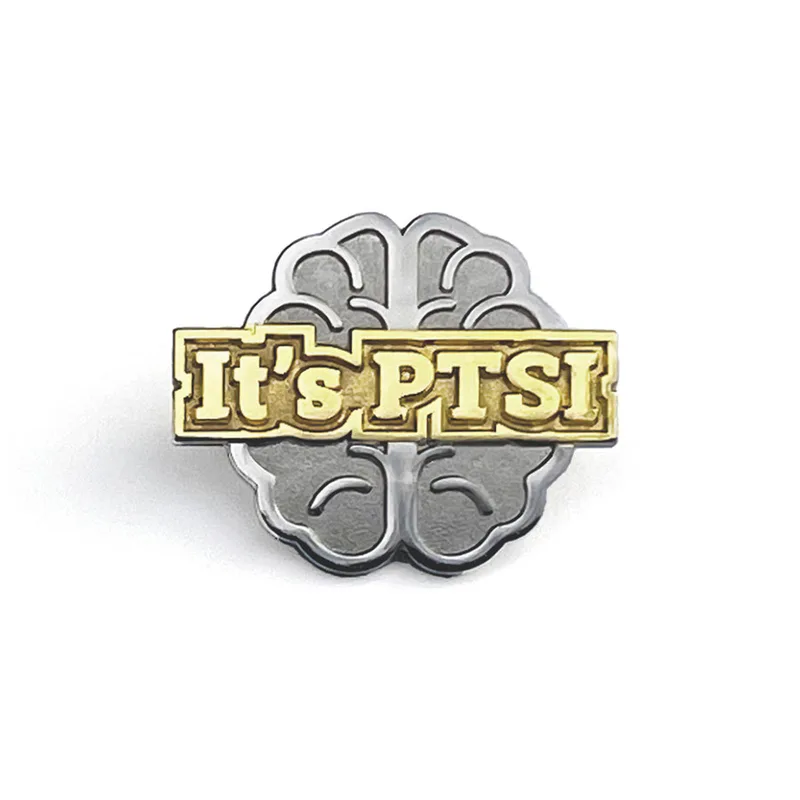
A silver brain crossed by a gold “It’s PTSI” bar. It starts the conversation for you.
Get the pinStay in the loop
Research updates, campaign news, and new episodes of Brain, Hope, Reality: PTSI not PTSD.
Join the update list
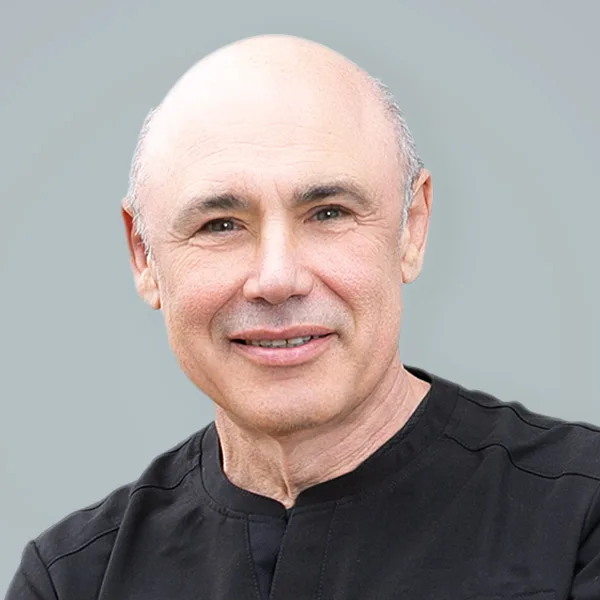
Why Dr. Lipov leads it
Dr. Lipov is a board-certified anesthesiologist and pain physician. He has treated post-traumatic stress as a physical injury since 2006, and he has published on it for nearly twenty years.
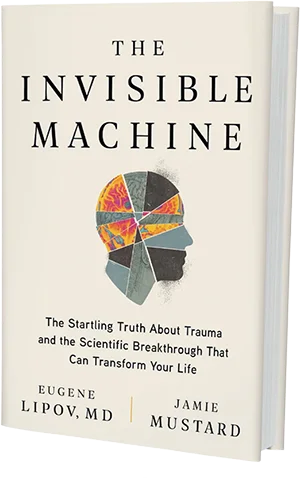
He sees the cost of the old word every week: patients who waited years because they were ashamed of a “disorder.” The book The Invisible Machine and his podcast, Brain, Hope, Reality: PTSI not PTSD, carry the same message.
Questions people ask
Is PTSI a new diagnosis?
No. PTSI is a new name for the same condition. Clinicians still diagnose and code PTSD today, and insurers still use that code. The campaign asks the APA to change the name in its manual.
Does “injury” mean brain damage?
It means a physical change caused by an event, the way a sprain is. Many such changes are functional, like a stress system stuck in the “on” position. Functional changes can reverse.
Can an injury like this heal?
Injuries are expected to heal, and that expectation matters. Talk therapy, medication and procedures such as SGB and dual sympathetic reset (DSR) all have published evidence. Which one fits is a decision for you and your clinician.
Is this only about veterans?
No. The campaign began with military voices, but post-traumatic stress follows assault, accidents, abuse, disasters, loss and medical trauma. First responders, nurses and children are affected too.
Who is behind the campaign?
It’s PTSI is run with Erase PTSD Now!, a 501(c)(3) nonprofit. Dr. Lipov serves as its medical consultant. The campaign also works with Honor for All, a veteran-led group behind many state resolutions.
This page is education and advocacy, not medical advice. If you are in crisis in the U.S., call or text988, the Suicide and Crisis Lifeline. Veterans can press 1.
Say it out loud: it’s PTSI
Every person who uses the word makes it easier for the next one to ask for help. Send this page to one person today.