



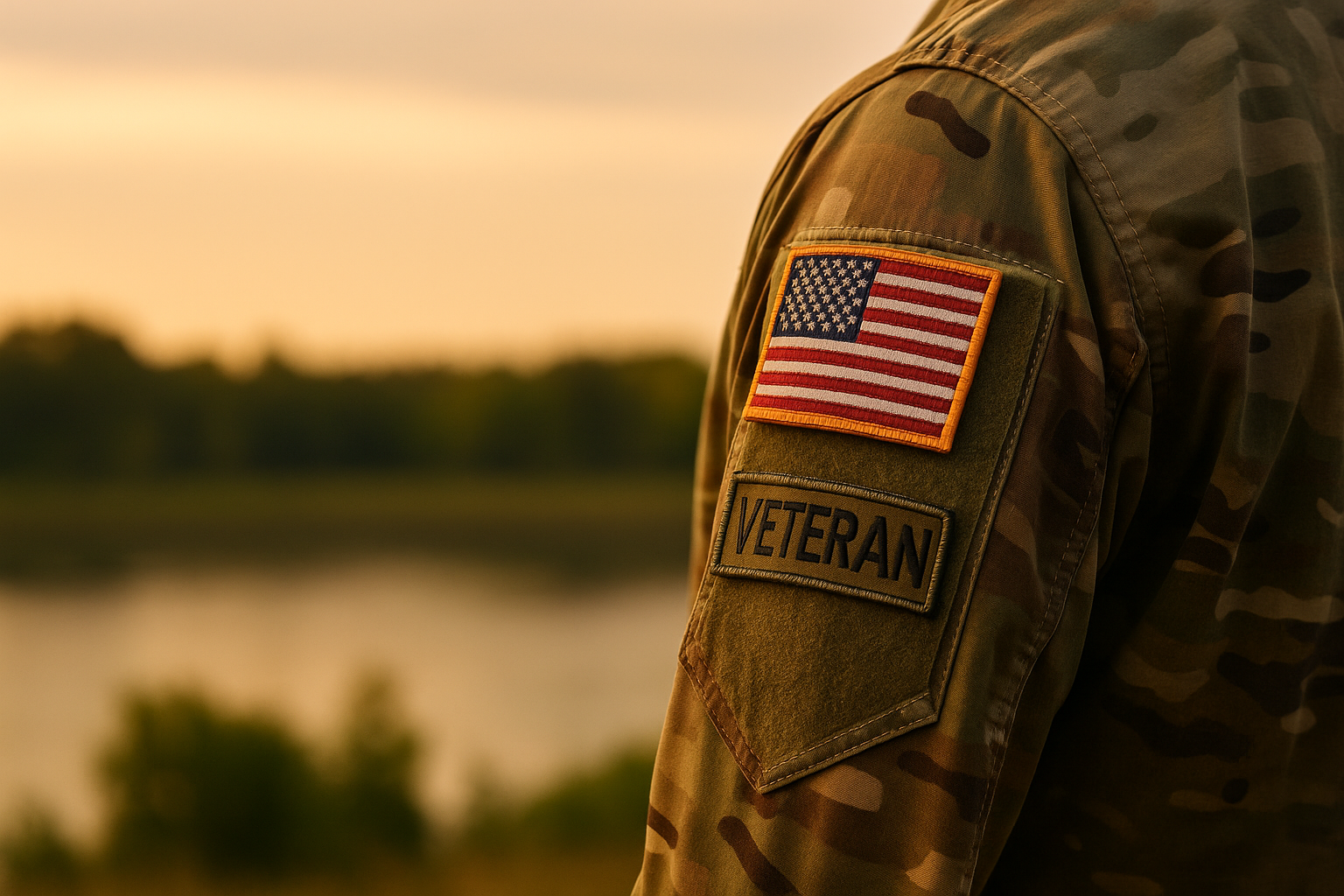
If you’ve ever met a combat veteran, you’ve seen it in their eyes.
That quiet distance. They startle when a car backfires. The restless nights that seem endless. For years, we’ve called it PTSD — post-traumatic stress disorder — as if it’s all in the mind. But what if it’s not just mental? What if trauma physically rewires the body, trapping people in a permanent fight-or-flight state?
That’s the question Dr. Eugene Lipov asked more than a decade ago — and the answer led to a breakthrough called the Dual Sympathetic Reset, a treatment that’s helping veterans around the world find calm after years of chaos.
A Soldier’s Nervous System, Stuck on “Alert”
When someone experiences extreme stress — a roadside explosion, a firefight, a near-death moment — the body’s survival system switches on. The heart races. Adrenaline surges. The brain records every sensory detail as danger.
Normally, that system cools down once the threat passes. But for many veterans, it never does. The sympathetic nervous system — the body’s “gas pedal” — stays jammed, flooding them with stress hormones even when life is peaceful.
Traditional treatments like therapy and medication can help, but they don’t always address the physical wiring underneath. That’s where Dr. Lipov’s work comes in.
The Discovery That Changed Everything
Dr. Eugene Lipov is an anesthesiologist and pain specialist based in Chicago. Years ago, while treating women for hot flashes using a medical procedure called a Stellate Ganglion Block (SGB), he noticed something strange. Along with relief from hot flashes, his patients felt calmer, less anxious, and more at ease.
That observation set off years of research — and what he found was stunning.
By numbing a small cluster of nerves in the neck (the stellate ganglion), the body’s stress response could be “reset,” sometimes within minutes.
The result? Veterans with years of unrelenting anxiety, nightmares, and hypervigilance suddenly felt peace for the first time in decades.
Dr. Lipov refined this process into what he now calls the Dual Sympathetic Reset (DSR) — a carefully developed version of the SGB that resets both sides of the nervous system for longer-lasting results.
How It Works — In Plain English
Imagine your nervous system as a smoke alarm that never stops ringing. The Stellate Ganglion Block acts like pressing the reset button.
During the procedure, a local anesthetic is injected near a bundle of nerves at the base of the neck. It takes only a few minutes and is done under imaging guidance for precision. The effect is immediate for many — a sudden quiet in the body’s storm.
The science behind it? The stellate ganglion helps control the release of norepinephrine, a stress hormone. After trauma, this system can become overstimulated. By temporarily numbing the ganglion, the brain recalibrates — kind of like rebooting a computer that’s frozen on an error screen.
The Dual Sympathetic Reset goes a step further by treating both sides of the neck, helping balance the nervous system completely.
From Battlefields to Breakthroughs
One of the first veterans Dr. Lipov treated described it like this: “I walked in anxious and tense. I walked out feeling like someone had lifted a weight off my chest.”
Stories like his aren’t rare anymore. Soldiers who’ve spent years battling insomnia, flashbacks, and irritability often report feeling grounded again — not sedated, but normal.
This isn’t to say the procedure replaces therapy or community support. But it gives the body a chance to stop fighting itself, allowing healing to begin from a calmer place.
Veteran organizations have started to take notice. The U.S. military has tested and implemented SGB procedures in various programs, with results showing rapid relief and improved quality of life.
For families of veterans, that change can feel nothing short of miraculous. Imagine living with someone whose nervous system is always braced for war — and finally seeing them relax enough to laugh again.
Why the Terminology Matters
Dr. Lipov prefers to call it Post-Traumatic Stress Injury (PTSI), not “disorder.”
Because injuries can heal — and that’s exactly what his research shows.
By framing trauma as a biological injury rather than a mental flaw, PTSI shifts the focus from blame to biology. Veterans aren’t “broken” or “weak.” They’re injured — and their injury happens to involve the nervous system instead of a visible wound.
That single language change has permitted countless people to seek help without shame.
Beyond the Military
What began as a treatment for combat trauma has expanded far beyond.
Dr. Lipov’s Dual Sympathetic Reset is now being studied and used for:
- Survivors of sexual assault and domestic violence
- Frontline workers and first responders
- People suffering from long-COVID symptoms
- Women experiencing severe menopausal hot flashes.
In each case, the underlying pattern is the same — the body’s stress system stuck in overdrive. And again, the reset seems to work.
The Human Side of Science
For all the medical terminology, what stands out most about Dr. Lipov is empathy. He’s not just a doctor chasing data; he’s someone deeply moved by the suffering of trauma survivors.
In interviews, he often talks about his father, a veteran who struggled silently after the war. Maybe that’s why his work feels personal. His mission isn’t simply to reduce symptoms but to restore lives.
And that compassion shows in every story shared on his website: veterans who can finally sleep through the night, mothers who feel peace again after years of anxiety, and doctors who are now rethinking how we define trauma recovery.
What Healing Really Looks Like
Healing, Dr. Lipov reminds us, doesn’t always look like talking about your trauma endlessly. Sometimes, it starts with quiet — with a body that finally remembers how to feel safe.
That’s what the Dual Sympathetic Reset offers: not magic, not erasure, but balance. The ability to respond to life without reliving the battlefield in your own mind.
For anyone who’s carried trauma like a shadow — veterans, survivors, even caregivers — this approach signals a future where biology and compassion meet.
The Road Ahead
Research continues. Studies are exploring how the SGB and DSR might help with depression, anxiety, or even the lingering stress of long-COVID. The early data is promising, but what keeps the momentum alive are the faces of those who’ve already found peace.
As Dr. Lipov often says, “Healing the brain is possible when we treat the body, too.”
If you know someone battling invisible wounds, remind them: trauma is not weakness. It’s a biological injury — and like most injuries, it can be healed. Learn more about how trauma affects the brain and body from the U.S. Department of Veterans Affairs’ National Center for PTSD.
For more insights into Dr. Eugene Lipov’s work and the science behind Dual Sympathetic Reset, explore his research and upcoming projects through the official platform.
Discover how Dr. Eugene Lipov’s Dual Sympathetic Reset (DSR) is redefining PTSD treatment for veterans — and bringing real hope to trauma survivors.
More Links:
Books by Dr. Eugene Lipov challenging the status quo in pain and PTSD treatment
Peer-reviewed clinical studies and articles published in medical journals
Join the Challenge to Save Lives
One Response